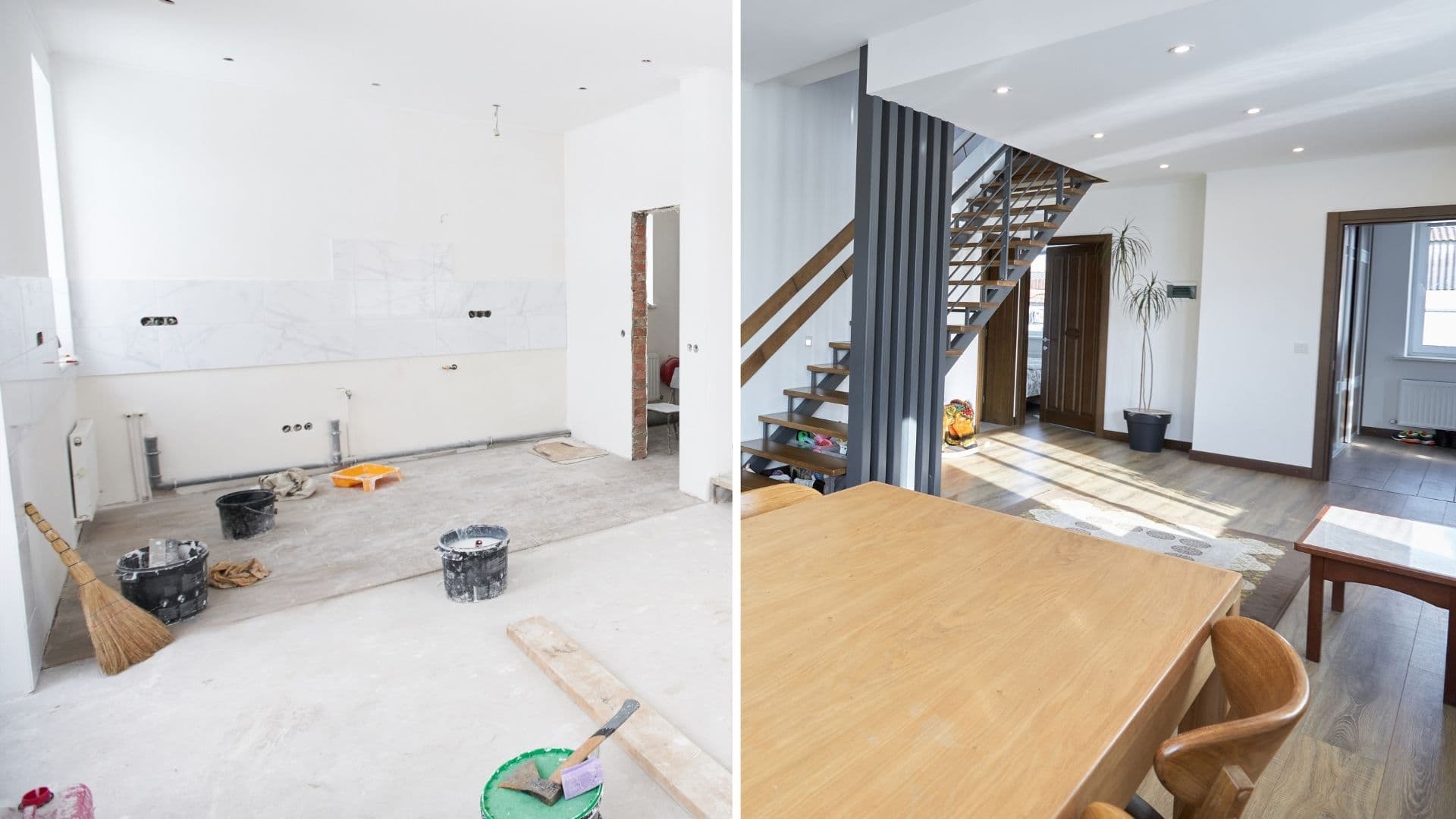
Back to Products Short-Term Financing Renovation Loans Truly Renovation Loans allow investors to execute business plans ranging from light renovations to complex property transformations, with financing terms structured to fit their needs.
Up to 95% of the cost basis 100% of rehab costs financed In-house Construction Management Program Highlights Loan Amounts $100K - $5M
Loan Terms 12-18 Months
Interest Type Fixed, Interest Only
Property Types SFR, Condo, Townhomes, 2-4, 5-9
Program Details Renovation Loan Overview Comprehensive financing for rehab or value-add investment projects.
Loan Terms & Requirements Loan Type Business Purpose RTL (Non-Owner Occupied)
Eligible Collateral 1-4 Units, SFR/PUD, Condo, NW Condo, Townhome, 5-8 Units (exceptions: > 2 acres; Mixed-use)
Lien Position 1st position lien secured by a mortgage, deed of trust, or other security instrument
Loan Term 12 months - 18 months
Loan Purpose Purchase, Delayed Purchase, Rate/Term Refinance, Cash-Out Refinance
Ineligible States NV, ND, SD, VT (AK & HI considered on an exception basis)
Interest Charged Fixed rate, Interest Only
Reserve Requirement 6 months of interest only payments
Liquidity Requirement 10% of the rehab budget + cash to close (equity shortage may be added)
Cost Basis Seasoned Refinance: As-Is Appraised Value + Remaining Budget | Unseasoned Refinance: Lesser of (Purchase Price or As-Is Value) + Remaining Budget
Prepayment Penalty Not Applicable
Property Type Requirements 1-4 Unit Properties 5-8 Unit Properties Minimum Loan Amount $100K $500K Maximum Loan Amount $5M $2M (Tier 3 & 4 Ineligible) Appraisal Requirement Full Appraisal (URAR, 1025, 1073) CDA may be required Commercial Narrative CDA may be required
Ready to Get Started? Connect with one of our renovation loan specialists today and get financing for the next rehab project.
Rehab loans provide financing for borrowers who need funds to purchase and renovate a property. A rehab loan can combine the cost of purchasing a property with the money needed for repairs and renovations. Rehab loans are designed to finance properties that require improvements before they reach their full market potential. Real estate investors can use rehab loans to purchase, renovate, and improve investment properties. Rehab loan financing can provide capital for both property acquisition and qualifying renovation expenses. A property rehab loan can help investors finance homes that require repairs, upgrades, or substantial improvements. Rehab loans offer a financing solution for properties that may need significant work before traditional financing is appropriate. Real estate rehab loans can help investors acquire distressed properties and fund planned renovations. Rehab financing allows borrowers to address acquisition and renovation costs through a structured loan program. A home rehab loan can provide financing for purchasing and improving a property that needs repairs. Investment property rehab loans can help real estate investors finance value-add property opportunities. Rehab loans for investment properties can provide capital for acquisition, repairs, improvements, and renovation projects. Investors may use rehab financing to purchase undervalued properties that require improvements. A rehab loan can help investors transform a distressed property into a renovated real estate asset. Real estate investors can use rehab loans to finance properties that need work before being sold or refinanced. Rehab financing can help investors preserve capital while completing renovations on investment properties. Short-term rehab loans can provide financing during the acquisition and renovation stages of a real estate project. Rehab loans can support investors pursuing buy, renovate, sell, or refinance strategies. A real estate rehab loan can provide the financing needed to improve the condition and value of an investment property. Property investors can use rehab financing to acquire homes that require cosmetic or substantial renovations. Rehab loans can finance qualifying renovation expenses such as materials, labor, repairs, and property improvements. A renovation budget is an important consideration when determining the financing needs of a rehab loan. Rehab loan funds may be used for qualifying repairs and improvements included in an approved renovation plan. Investors should develop a detailed scope of work before applying for rehab financing. A rehab loan can provide funds for renovating kitchens, bathrooms, flooring, roofing, and other qualifying property improvements. Rehab financing can help cover the cost of improving outdated or distressed investment properties. Property renovation costs can be incorporated into certain rehab loan structures instead of being financed separately. Rehab loans can provide financing for both minor property improvements and extensive renovation projects. A well-planned renovation budget can help investors determine the appropriate rehab loan amount. Rehab loan financing can provide investors with capital to complete improvements that increase a property's marketability. Rehab loan requirements vary depending on the lender, property, borrower, renovation scope, and financing program. Rehab lenders may evaluate the purchase price, renovation budget, property value, borrower profile, and exit strategy. Qualifying for a rehab loan may require detailed information about the property and planned improvements. Rehab loan lenders may request contractor estimates, renovation budgets, and a detailed scope of work. The borrower's experience can influence the terms and structure available for an investment property rehab loan. Rehab loan approval can depend on property condition, renovation plans, leverage, liquidity, and borrower qualifications. Lenders may evaluate the overall economics of a renovation project when reviewing a rehab loan application. A clear renovation plan can help lenders understand how rehab loan funds will be used. Rehab financing requirements can vary significantly between conventional, government-backed, and private lending programs. Investors should understand the lender's rehab loan requirements before committing to a renovation project. After-repair value can be an important factor when evaluating a real estate rehab loan. Rehab lenders may consider a property's projected value after renovations are completed. The after-repair value estimates what a property could be worth after planned improvements are finished. Rehab loan amounts may be influenced by the property's purchase price, renovation budget, and expected completed value. Investors should compare acquisition costs, repair expenses, and projected property value before starting a rehab project. A property's future value can play an important role in determining the economics of rehab financing. Rehab loans can help investors improve properties with the goal of increasing their after-repair value. Investors should carefully estimate the potential after-repair value before determining how much to spend on renovations. Property valuation is an important component of underwriting many rehab loan programs. A successful rehab project requires balancing purchase price, renovation costs, financing expenses, and expected property value. Rehab loan renovation funds may be distributed through draws as improvements are completed. A rehab loan draw can release approved renovation funds during different stages of a project. Rehab lenders may require property inspections before releasing additional renovation funds. Rehab loan draw schedules can help coordinate financing with the progress of a renovation project. Contractors may receive renovation funds after approved portions of the rehab work are completed. Rehab loan inspections can help verify that renovation work matches the approved scope of work. Investors should understand the rehab loan draw process before beginning construction or renovation work. Renovation funds may be held until qualifying repairs are completed and verified. Rehab loan draws can provide structured access to renovation capital throughout the improvement process. Managing draws, contractors, inspections, and renovation timelines is an important part of a successful rehab project. Rehab loan rates can vary based on the borrower, property, leverage, renovation scope, and lender. Investors should compare rehab loan rates along with fees, terms, leverage, and renovation funding. Rehab loan interest rates may differ from traditional mortgage rates because renovation projects can involve additional risk. The total cost of rehab financing can include interest, lender fees, appraisal costs, inspections, title fees, and draw fees. Rehab loan pricing may vary based on the overall strength and risk of the real estate project. Borrowers should evaluate the total cost of a rehab loan rather than comparing interest rates alone. Short-term rehab loan rates can depend on borrower experience, credit profile, property value, and project economics. Comparing rehab loan lenders can help investors evaluate financing structures for a renovation project. Rehab financing terms should match the expected timeline for completing renovations and executing the exit strategy. Investors should account for interest, taxes, insurance, renovation costs, and other carrying expenses when evaluating a rehab loan. A common rehab loan exit strategy is selling the property after renovations are completed. Investors can use proceeds from a property sale to repay short-term rehab financing. Rehab loans can also be refinanced into longer-term financing after a property has been renovated. A rehab-to-DSCR strategy can allow an investor to renovate a property and refinance it as a long-term rental. Investors may refinance a completed rehab property into a DSCR loan once the property is stabilized and generating rental income. Rehab financing can provide short-term capital before an investor transitions into permanent rental property financing. A clear exit strategy is an important consideration when applying for a short-term rehab loan. Rehab loan exit strategies may include selling the property, refinancing it, or holding it as a rental investment. Real estate investors should consider the renovation timeline when selecting the term of a rehab loan. Rehab-to-rental financing strategies can help investors transition renovated properties into long-term investment assets. Rehab loans can be useful for investors purchasing fixer-upper properties that require repairs before resale. A fixer-upper rehab loan can provide financing for both acquiring and improving a distressed property. Investors can use rehab loans to turn outdated properties into renovated homes ready for sale or rental. Rehab financing can help investors purchase properties that conventional lenders may consider too distressed in their current condition. A rehab loan can provide capital for value-add real estate projects involving significant property improvements. Investors purchasing older properties may use rehab financing to complete necessary repairs and modernization. Rehab loans can support renovation projects involving single-family homes and other qualifying investment properties. Real estate rehab financing can help investors reposition properties through repairs, upgrades, and improvements. Rehab loans provide investors with a financing option for properties requiring work before reaching stabilized condition. Fixer-upper financing can help investors acquire properties with renovation potential and execute an improvement strategy. Hard money rehab loans are short-term financing options commonly used by real estate investors for acquisition and renovation projects. Private rehab loans may provide flexible financing for qualifying investment properties requiring repairs or improvements. Rehab loans are also commonly associated with renovation loans, fix-and-flip loans, and other property improvement financing. Rehab financing differs from a standard mortgage because renovation costs can be an important part of the loan structure. An experienced rehab loan lender understands the unique financing requirements associated with property renovation projects. Rehab loans can help investors purchase distressed properties, complete improvements, and prepare them for resale or refinance. Real estate rehab loans provide specialized financing for investors pursuing property acquisition and renovation opportunities. Rehab financing can help investors execute a purchase, renovate, stabilize, sell, or refinance real estate strategy. Rehab loans provide access to capital for acquisition, repairs, renovations, and qualifying property improvements. Rehab loans offer real estate investors a financing solution for purchasing, renovating, improving, and repositioning investment properties. Leadership Guiding Our Vision Experienced leaders driving excellence in real estate investment lending.
Jolisa Garrett Processing Manager
Shahin Ilbeig EVP of Operations
Darin Judis President, Truly Investor Capital
djudis@trulyinvestorcap.com
Kevin Kavanaugh Senior Vice President National Sales Director
kkavanaugh@trulyinvestorcap.com Sales Team Our Dedicated Sales Team All Regional Sales Inside Sales
Whether you work directly with our investors or through a broker relationship, we have a dedicated team ready to help.
Ashley Barnes National Lending Consultant
abarnes@trulyinvestorcap.com
Stephanie Begody Regional Sales Manager
sbegody@trulyinvestorcap.com
Sophia Carr National Lending Consultant
scarr@trulyinvestorcap.com
Armando Cota Regional Sales Manager
acota@trulyinvestorcap.com
Amanda Diaz Regional Sales Manager
adiaz@trulyinvestorcap.com
Andrew Haines Regional Sales Manager
ahaines@trulyinvestorcap.com
Rich Hauser Regional Sales Manager
rhauser@trulyinvestorcap.com
Aaron Hunter National Lending Consultant
ahunter@trulyinvestorcap.com
Kris Kaba Regional Sales Manager
kkaba@trulyinvestorcap.com
Casey Koelsch Regional Sales Manager
ckoelsch@trulyinvestorcap.com
Christian Malamug Regional Sales Manager
cmalamug@trulyinvestorcap.com
Mike Meyers Regional Sales Manager
mmeyers@trulyinvestorcap.com
Gonzalo Molina Regional Sales Manager
gmolina@trulyinvestorcap.com
James Moreno Regional Sales Manager
jmoreno@trulyinvestorcap.com
Chandler Namath Regional Sales Advisor
cnamath@trulyinvestorcap.com
Pamela Ndong Nkoghe Regional Sales Manager
pnnkoghe@trulyinvestorcap.com
Taylor Saavedra National Lending Consultant
tsaavedra@trulyinvestorcap.com
David Solimando National Lending Consultant
dsolimando@trulyinvestorcap.com